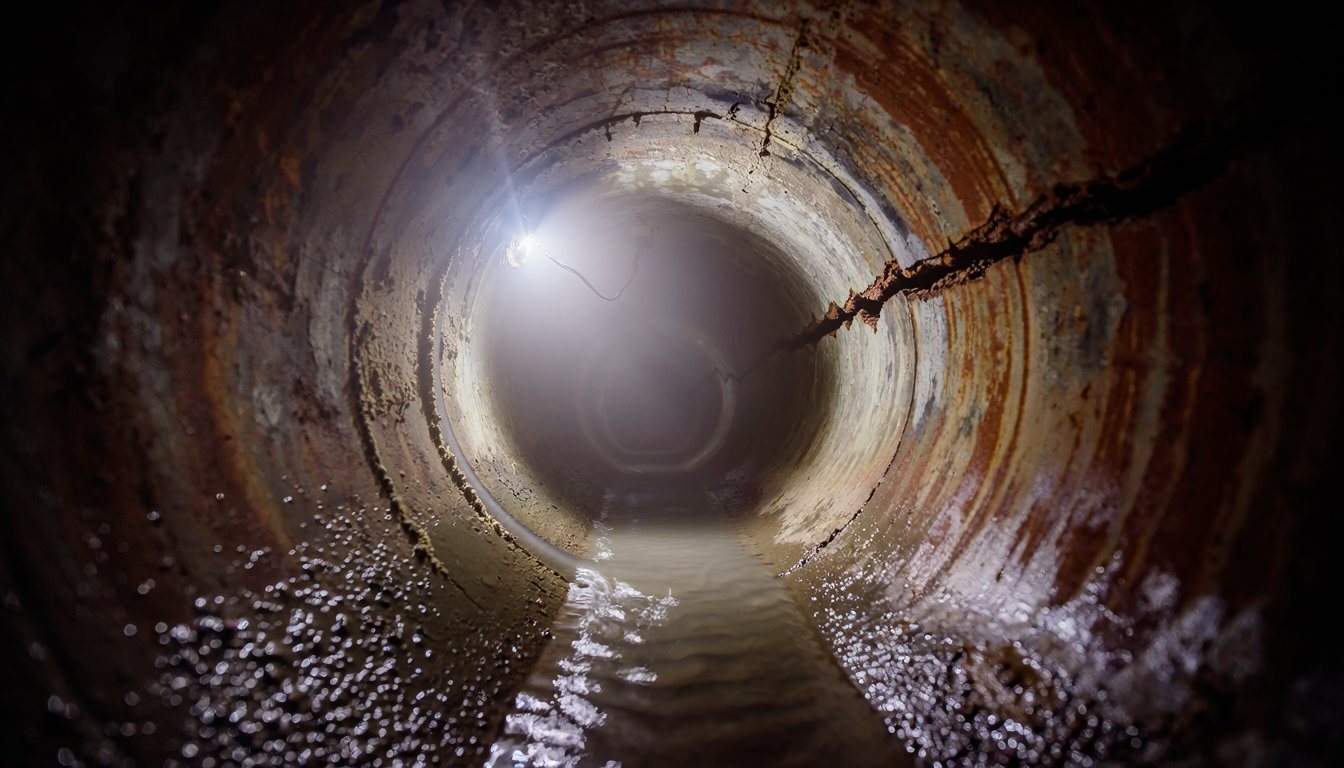
A plumber tells you the sewer line is cracked. The inspection report might say something much more specific: a minor crack with no displacement at one joint, or multiple fractures along a whole section. Those are very different jobs. The word "cracked" covers both, which is why the repair depends on how bad the crack is, how many places it shows up, and whether the pipe still holds its shape.
Quick answers
- Common causes: ground movement, age, loads from above, and roots working into existing gaps.
- How severity is graded: inspection reports often use a 1-to-5 scale, from minor cracking to collapse.
- What decides the fix: the grade, how many spots are damaged, and whether the pipe is still round.
- Cost: HomeGuide puts sewer line repairs at $150 to $3,800 depending on the method; replacement costs more.
Why sewer lines crack
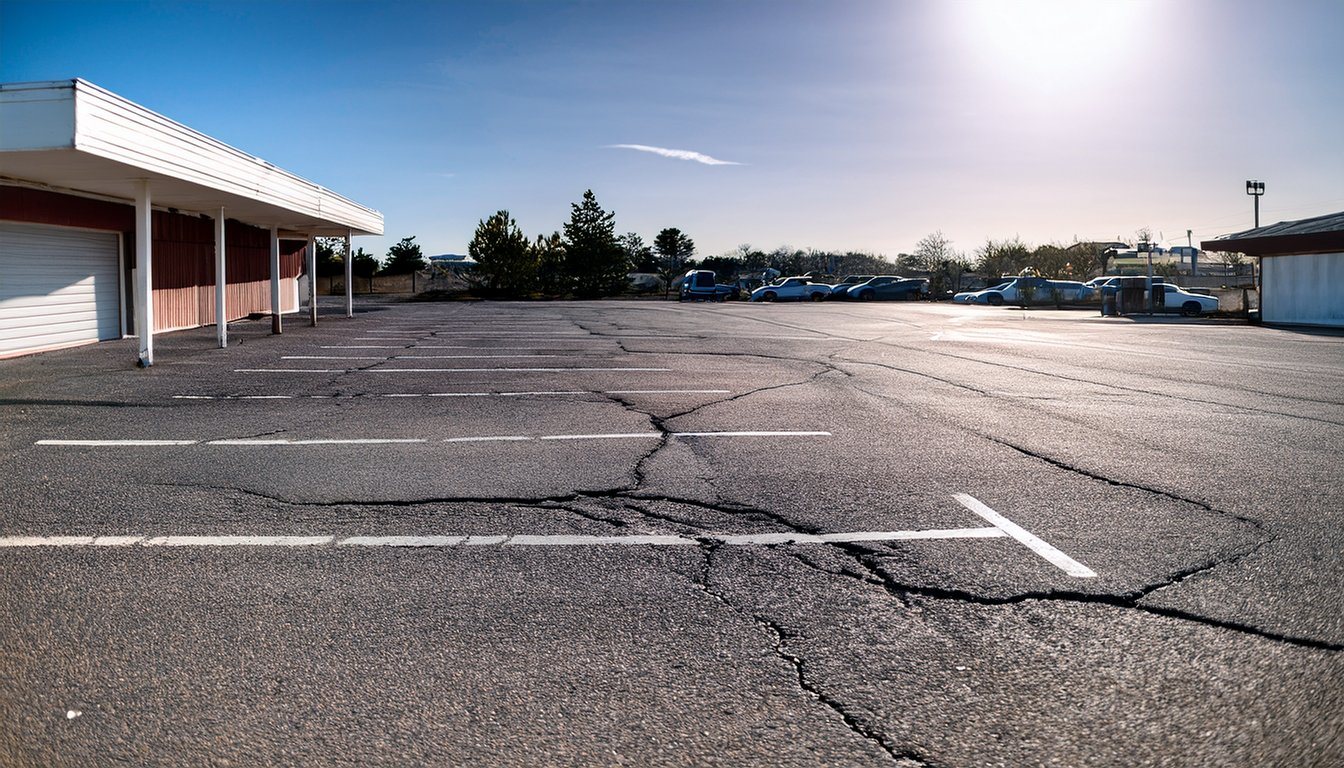
In our experience, cracks usually come from a few sources: soil that settles or shifts around the pipe, age wearing down the pipe material, weight from driveways or vehicles above the line, and poor bedding when the pipe was first laid. Tree roots are often blamed, but North Carolina State Extension points out that roots can only exploit cracks or gaps that already exist; they cannot create them. Once they're in, they can make things worse, as our guide to roots in clay sewer pipe explains. Older clay and cast iron lines each have their own typical failure patterns. For cast iron specifically, see cracked cast iron sewer pipe. For clay specifically, see cracked clay sewer pipe.
Signs of a cracked line
Slow drains, gurgling, sewer odors, and recurring clogs can all point to a cracked line, but they can also come from a simple blockage. Our sewer line replacement guide lists the common warning signs. The only way to know whether a crack is the cause, and how serious it is, is a camera inspection.
How bad is it? Reading the inspection report
Many inspectors code defects using NASSCO's Pipeline Assessment Certification Program (PACP). Its structural defect categories include crack, fracture, broken, hole, deformed, and collapse, roughly in order of how far the damage has gone. Cracks are further described by direction: longitudinal, circumferential, multiple, spiral, or hinge.
Each defect also gets a condition grade from 1 to 5. One inspection company gives these examples:
- Grade 2: "Light roots at a joint or minor cracking with no visible displacement."
- Grade 3: "Moderate cracking, root intrusion partially obstructing flow, or infiltration staining at joints."
- Grade 4: "Multiple fractures, significant corrosion above the flow line, or a sag holding standing water."
- Grade 5: collapses, large holes, and severe deformation, which it says demand immediate attention.
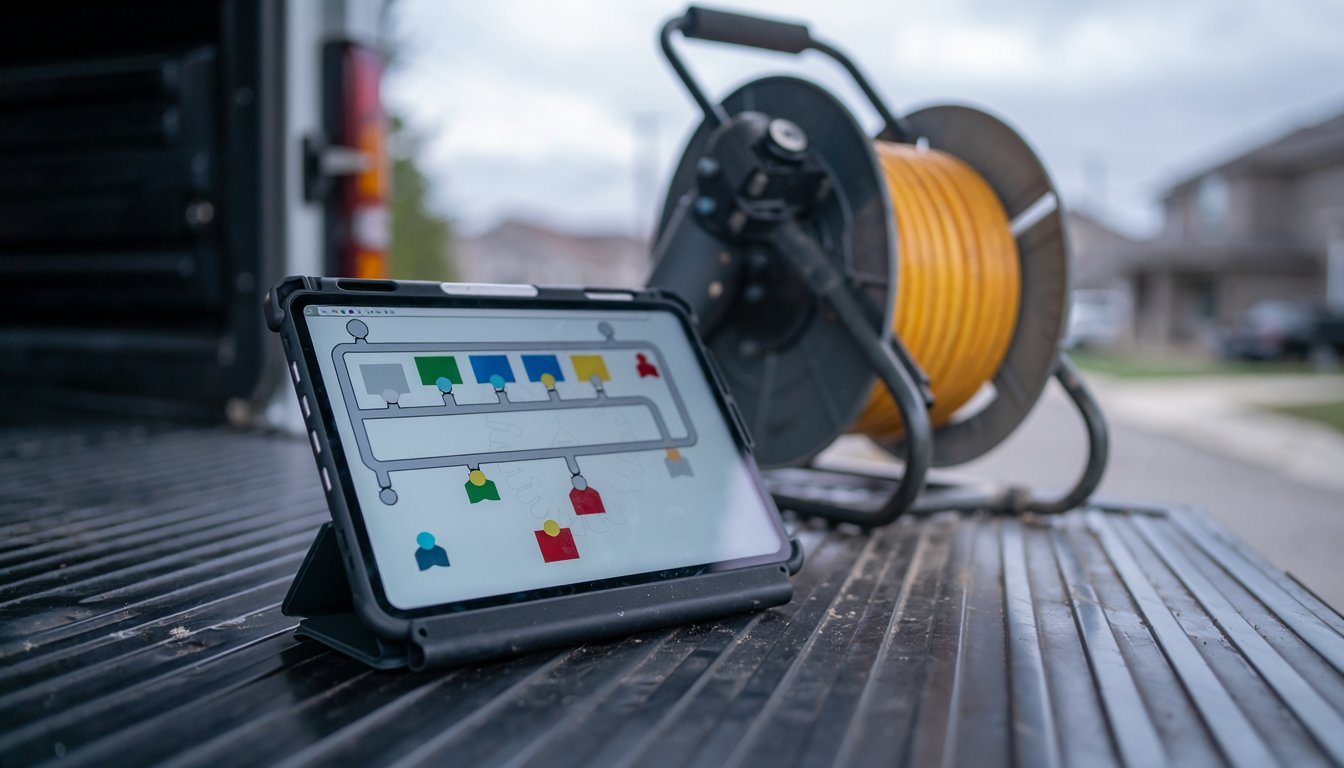
Ask for three things with the video: the grade of each defect, its distance from the cleanout, and how many defects there are. Our sewer camera inspection guide covers what else the video shows.
Matching the crack to the fix
In our experience, the findings tend to point to one of four paths, each decided mostly by one factor:
- A single low-grade crack, pipe otherwise sound: watch it. A minor crack with no displacement may only need cleaning and a follow-up inspection, as long as it isn't letting in roots or soil.
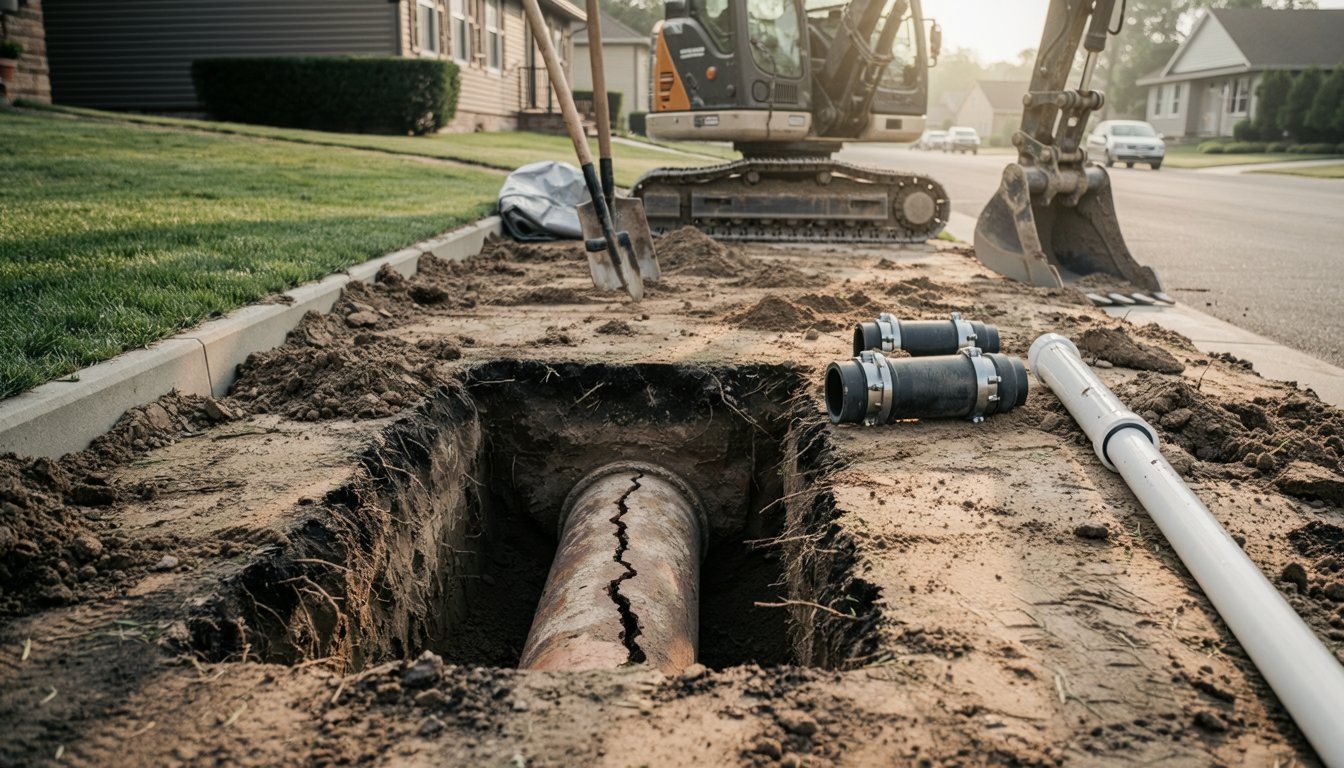
- One damaged section: spot repair. The deciding factor is length. A sectional point repair liner is designed to fix 2 to 10 feet on average, and up to 30 feet, according to one manufacturer. A short excavation to replace that piece is the dig-based version.
- Cracks along much of the line, pipe still round: lining. The deciding factor is shape. NASSCO, the trenchless industry association, says cured-in-place lining is appropriate when the pipe "has generally maintained its original shape."
- Broken, deformed, or collapsed pipe: replacement. HomeGuide notes that "broken lines and large cracks require full or partial replacement." Our collapsed sewer line guide covers the worst case.
What happens if a crack is left alone
A minor crack can often be watched, but a crack that's growing or leaking doesn't stay a private problem. Cracks work in both directions. Groundwater and rainwater can get in, and the EPA lists "Leaky sewers – stormwater, ground water and snowmelt entering the sanitary sewer from cracks and faults in the sewer or leaky sewer joints can overload a sanitary sewer" among the causes of sewage overflows. That's why the EPA counts "Reducing infiltration and inflow through system rehabilitation and repairing broken or leaky service lines" among the ways to prevent them.
Wastewater can also get out. In our experience, a leaking crack in soil washes away the fine material around the pipe over time, leaving a void that lets the pipe sag or settle further. That's how a crack graded as moderate becomes a fracture, and a fracture becomes a broken section. It's also why the follow-up inspection matters when you choose to wait.
What it costs
HomeGuide says "Sewer line repairs cost $150 to $3,800, depending on the method," and puts a camera inspection at $125 to $500. Lining and other trenchless methods are priced by the foot, covered in our trenchless sewer repair cost guide, and full replacement is covered in the sewer line replacement cost guide.
Can you fix it yourself?
Lining and point repairs need specialized equipment, so a do-it-yourself repair usually means digging. That carries real risk. OSHA warns that "Trench collapses, or cave-ins, pose the greatest risk to workers' lives," and says to "Never enter a trench unless it has been properly inspected." Before any digging, the national 811 program says "Anyone who plans to dig should contact 811 or go to their state 811 center's website before digging..." to have buried utilities marked. Permits are the other hurdle: one plumbing company notes that "most counties require a licensed plumber to pull a sewer line permit and oversee the work." Rules vary by location, so check with your building department.
Health and cleanup concerns
A crack that leaks sewage into a crawlspace, basement, or yard is more than a smell. The CDC notes that "Workers who handle human waste or sewage may be at increased risk of becoming ill from waterborne diseases," and lists symptoms such as "vomiting, stomach cramps, and watery diarrhea." That guidance is written for workers, but the same caution applies at home: keep children and pets away from wet areas, wear gloves and boots around any spill, and leave cleanup of anything beyond a small area to professionals. Our sewer backup cleanup cost guide covers that side.
Preventing more damage
You can't undo a crack, but you can avoid adding to the load on a weak line. The EPA's household plumbing guidance gives simple rules that apply to any drain line: "Never pour cooking oil or grease down the drain." It also says: "Only flush human waste and toilet paper down the toilet." It specifically warns against flushing "Non-flushable wipes, such as baby wipes or other wet wipes." In our experience, grease and wipes catch on crack edges and offset joints, which is how a crack that was draining fine turns into recurring clogs.
Getting it fixed
Start with the camera, and get the defect grades and locations in writing before comparing repair options. Medici Construction Group is one licensed option for sewer line repair and replacement, holding California A, B and C-10 licenses under CSLB #1114433.
Frequently asked questions
Can a cracked sewer line be repaired without digging?
Often, yes. A short damaged section can sometimes be fixed with a sectional point repair liner, and cracks along much of the line can be lined if the pipe has kept its original shape. Broken or collapsed sections usually need to be dug up and replaced.
How much does it cost to fix a cracked sewer line?
HomeGuide puts sewer line repairs at $150 to $3,800 depending on the method. Lining and replacement are priced differently and can cost more, depending on length and access.
Is a cracked sewer pipe an emergency?
Not always. A minor crack with no displacement can often be monitored. Collapses, large holes, and severe deformation are the kinds of defects that need immediate attention, especially if sewage is backing up.
What causes a sewer line to crack?
In our experience, common causes are soil movement, age, weight from above, and poor original installation. Tree roots don't create cracks, according to NC State Extension, but they exploit existing cracks and gaps.
How do I know it's a crack and not just a clog?
You can't tell from the drains alone, since both cause slow drains and backups. A clog that keeps coming back soon after cleaning is a reason to have the line inspected with a camera, which shows whether there's a crack and how serious it is.
Can I repair a cracked sewer line myself?
Usually not safely or legally. Most repairs need either specialized trenchless equipment or excavation, and OSHA calls trench collapses the greatest risk in that work. Call 811 before any digging, and check local rules, since many areas require a licensed plumber to pull the sewer permit.
What happens if you don't fix a cracked sewer line?
A small, stable crack may be safe to monitor. A leaking or growing crack can let groundwater in, which the EPA says can overload sewers, and can wash away soil around the pipe, letting it sag or break further over time.
Is sewage from a cracked pipe dangerous?
It can be. The CDC notes that people who handle sewage may be at increased risk of waterborne illness. Keep children and pets away from any spill, wear gloves and boots, and have larger cleanups done professionally.
Can grease and wipes make a cracked sewer line worse?
Yes. The EPA advises never pouring cooking oil or grease down the drain and never flushing wet wipes. In our experience, both tend to catch on crack edges and offset joints and cause repeated clogs.