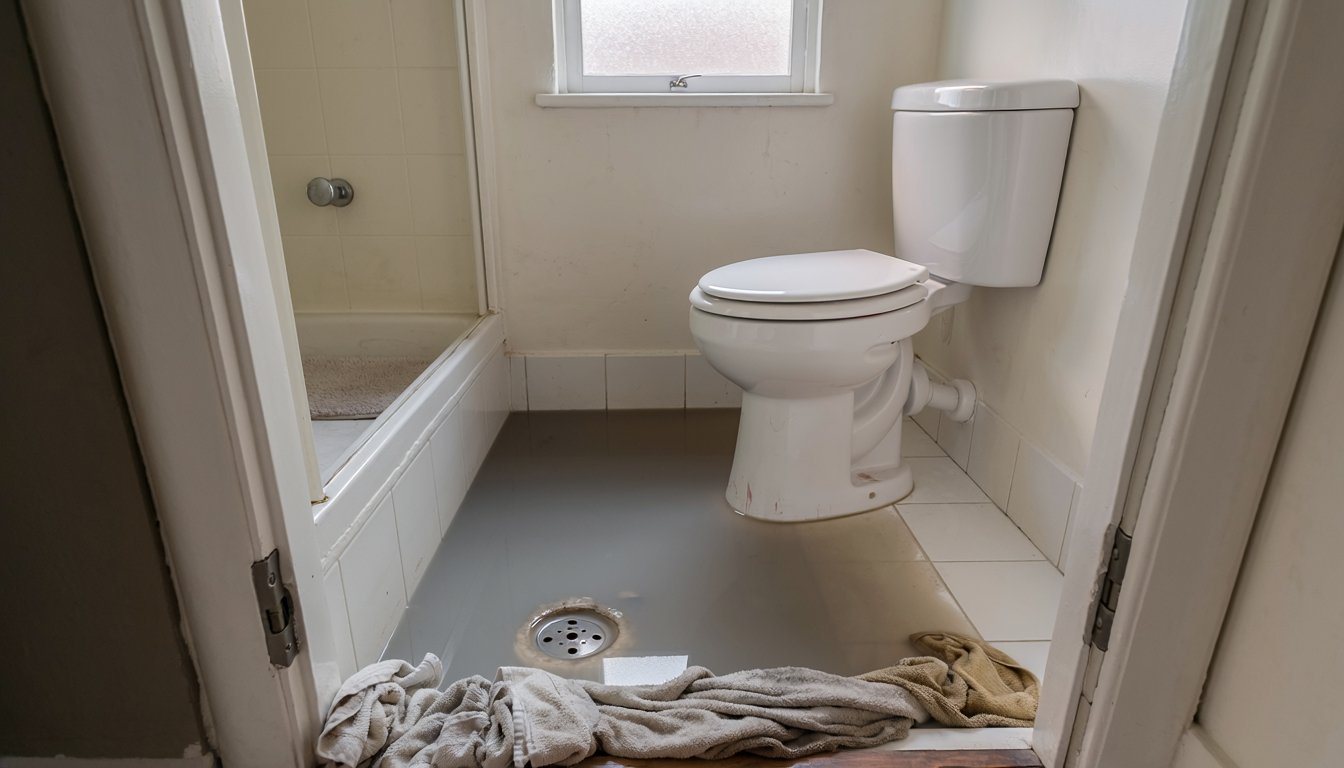
Dirty water is coming up through the shower drain, or the toilet is overflowing and won't stop. The instinct is to grab towels and call the City. Both can wait a few minutes. In our experience, the moves that limit the damage and protect any claim you may make later happen in a different order.
Do this now
- Stop sending water down the drains. No flushing, showers, laundry or dishwasher.
- Keep people and pets out, and don't stand in water near outlets or appliances.
- Take photos and video before you clean or move anything.
- Check your outdoor cleanout to see whether the blockage is likely yours or the public sewer's.
- Call the right number: a licensed plumber for your own line, or the public sewer agency if the main is backed up (numbers below).
- Call your insurer and start writing down every call and expense.
Minute one: stop the water going in
In our experience, every gallon that goes down a drain during a backup has nowhere to go but back up through the lowest fixture in the house. This is the step people forget because it feels too simple. Tell everyone in the house, stop the washing machine and dishwasher mid-cycle, and put a note on the toilets. If a toilet is still running, turn its supply valve off at the wall.
Make the area safe
Water and electricity are the first hazard. FEMA's Ready.gov advises: "Be aware of the risk of electrocution. Do not touch electrical equipment if it is wet or if you are standing in water." It also says to "Turn off the electricity to prevent electric shock if it is safe to do so." If reaching your panel means walking through water, don't. Call an electrician or your utility instead.
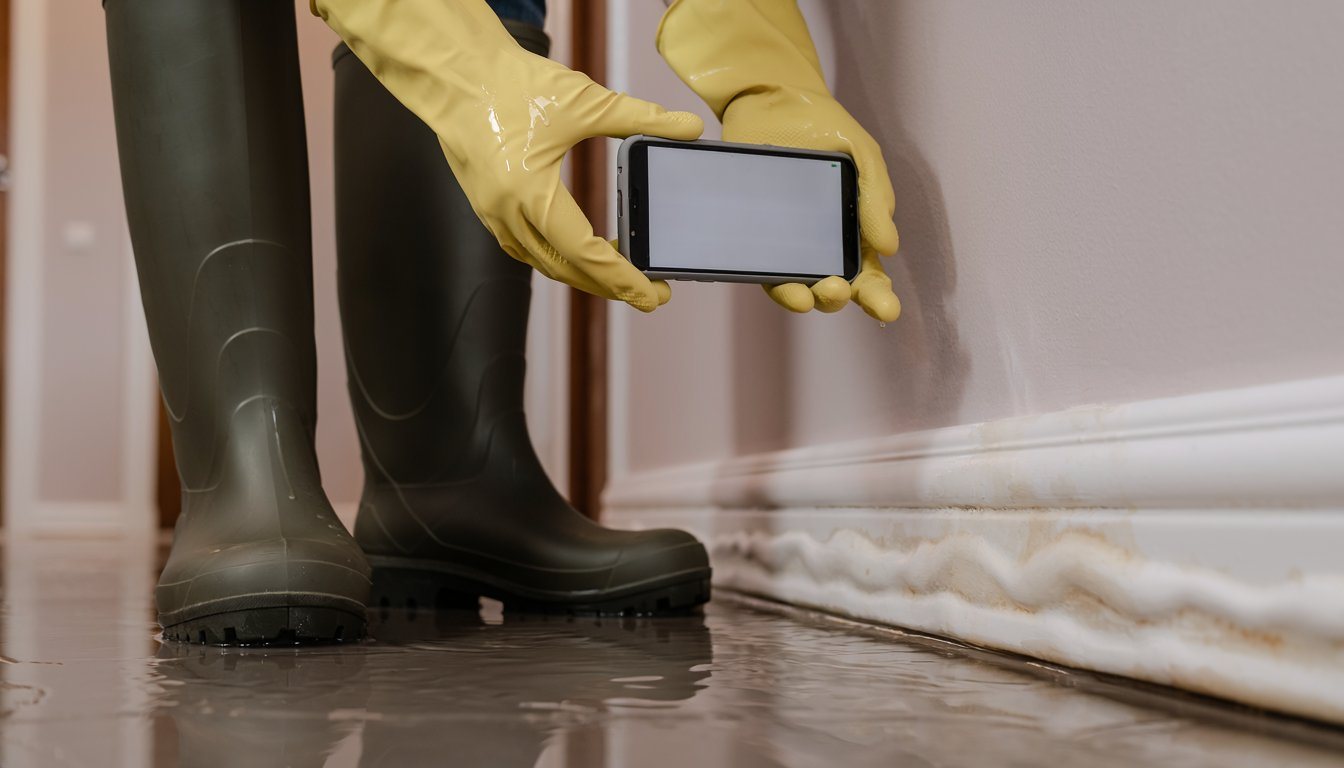
Sewage is the second hazard. The CDC advises you to "Keep children and pets away from the affected area until cleanup has been completed." Anyone who has to go in should wear rubber boots, rubber gloves and goggles.
Photograph before you clean
Whoever pays for the damage, whether your insurer, the City or you, will want to see it. The California Department of Insurance's storm-damage tips say to "Take pictures and keep records of all clean up and repair costs," and to "Make temporary repairs to prevent your property from further damage." The same tip sheet suggests keeping a dedicated "claim diary" of every conversation with your insurer or adjuster.
Take wide shots of each room, close-ups of the water line on walls and cabinets, and video of the fixture that's backing up. In our experience, a two-minute video taken before cleanup settles more questions later than a stack of receipts.
Whose pipe is it?
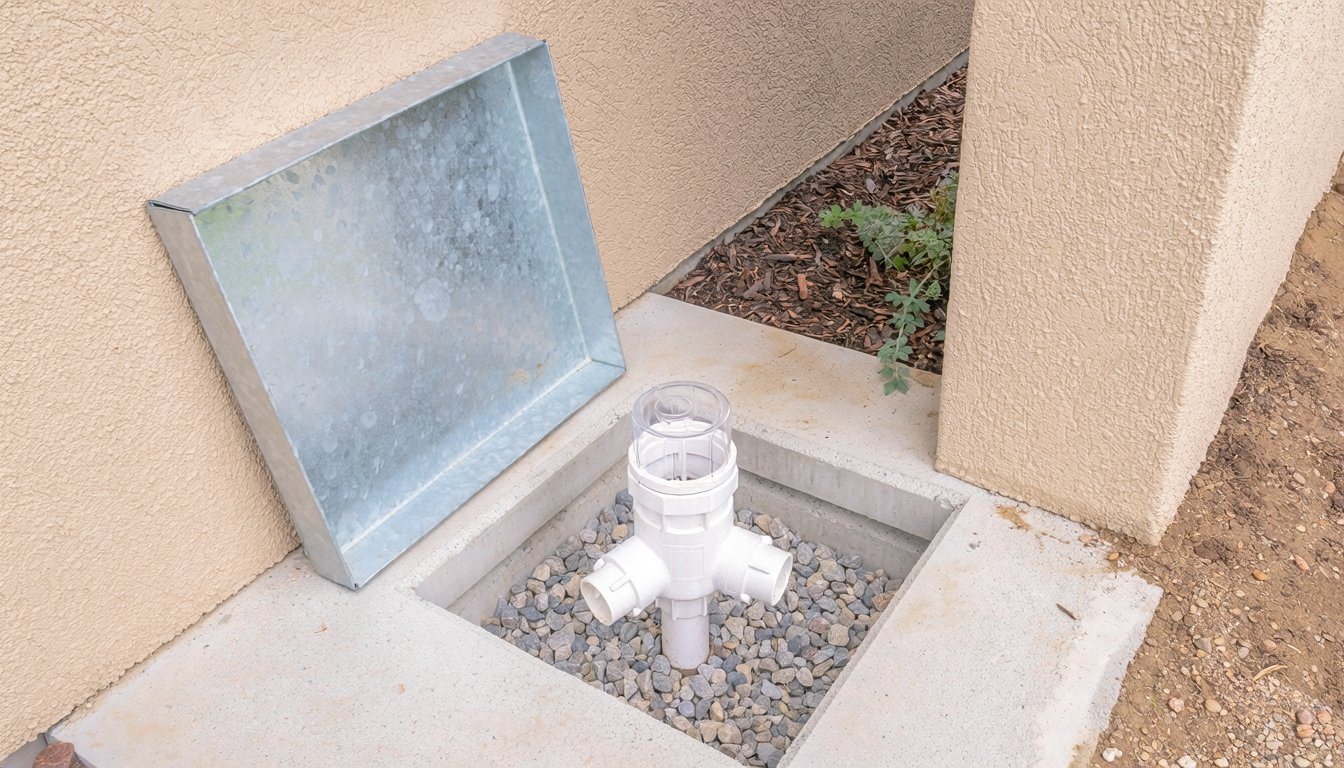
This decides who you call. In our experience, most LA houses have an outdoor sewer cleanout, a capped pipe near the foundation or in the front yard. If you can safely remove the cap, look inside. In our experience, standing water in the cleanout points to a blockage further out, in your lateral or the public main, while a dry cleanout with a flooded house points to a blockage inside or under the house. Our sewer backup guide has a full table for reading these signs.
One warning if you have a backwater valve: the Los Angeles County Sanitation Districts say never to use the backwater valve as a cleanout, since sewer snakes can damage it. See our backwater valve guide for how the valve works.
The right 24/7 number to call
The public sewer agencies fix the public main. They do not clear your private line. The Sanitation Districts put it plainly: "If the blockage is in your sewer pipes, you will need to call a plumber to clear the line." LA Sanitation says the same for problems inside the house: "For indoor issues, we recommend contacting a licensed plumber to inspect your property." For the full set of calls a backup can need, including cleanup, your insurer and your landlord, see our guide on who to call for a sewer backup.
| Where you are | If the public sewer is backed up |
|---|---|
| City of Los Angeles | LA Sanitation 24-hour Customer Care Center, 1-800-773-2489 |
| Unincorporated LA County and County-maintained sewers | LA County Public Works: "please call (800) 675-HELP immediately" |
| Public sewers run by the LA County Sanitation Districts | (562) 437-6520 or (562) 437-1881 "at any hour" |
| Anywhere, if the blockage is in your own line | A licensed plumber or sewer contractor |
In our experience, if you aren't sure, call the public agency and a plumber at the same time. If the City finds its main is clear, you haven't lost an hour waiting.
Cleanup: what you can do and what to throw away
Small backups on hard floors can be cleaned by a careful homeowner. The CDC lists protective gear for sewage: "rubber boots, rubber gloves, and goggles." OSHA's guidance for workers who handle wastewater is similar: "Generally, rubber gloves, aprons, boots, and face masks may be necessary to prevent contact with waste water." If you're hiring help, our guide to sewer backup cleanup companies has a quick vetting checklist.
Porous materials that soaked up sewage usually can't be saved. The CDC advises throwing out items such as "mattresses, carpeting, carpet padding, rugs, upholstered furniture" that can't be cleaned and dried quickly. For disinfecting hard items, the CDC's example uses "1 cup of bleach in 5 gallons of water," and it warns: "Never mix bleach with ammonia or any other cleaner."
In our experience, it's time to call a professional restoration company when sewage has reached carpet, drywall, cabinets or a subfloor, when more than one room is affected, or when anyone in the home is very young, elderly or has a weakened immune system. In our experience, wet drywall and subfloors hide moisture that leads to mold if they aren't dried properly.
Claims: your insurer and the City
Start with your policy, but don't assume it covers this. The Insurance Information Institute has long noted that "Most homeowners and business insurance policies do not cover sewer backup unless specific coverage is added to the policy." Report the damage anyway. The California Department of Insurance's claims guide says to "report the damage to your insurance company agent or representative to start the claim process," and to "make temporary repairs to prevent further damage."
If you believe the City's sewer main caused the backup, you can file a claim for damages with the City. The City Clerk's office explains that "A Claim for Damages can be filed if you feel that you have lost money or property as a result of any action or inaction by the City." Watch the deadline. Under California Government Code Section 911.2, a claim for damage to personal property must be presented "not later than six months after the accrual of the cause of action." Claims relating to any other cause of action, which can include damage to the house itself, get "not later than one year after the accrual of the cause of action." The safest course is to file early and ask the City Attorney's claims office or a lawyer which deadline applies to you; this guide is not legal advice. In our experience, the photos and the City crew's findings from the day of the backup are what these claims rest on, so write down the date, time and name of anyone who came out.
After the emergency: fix the cause
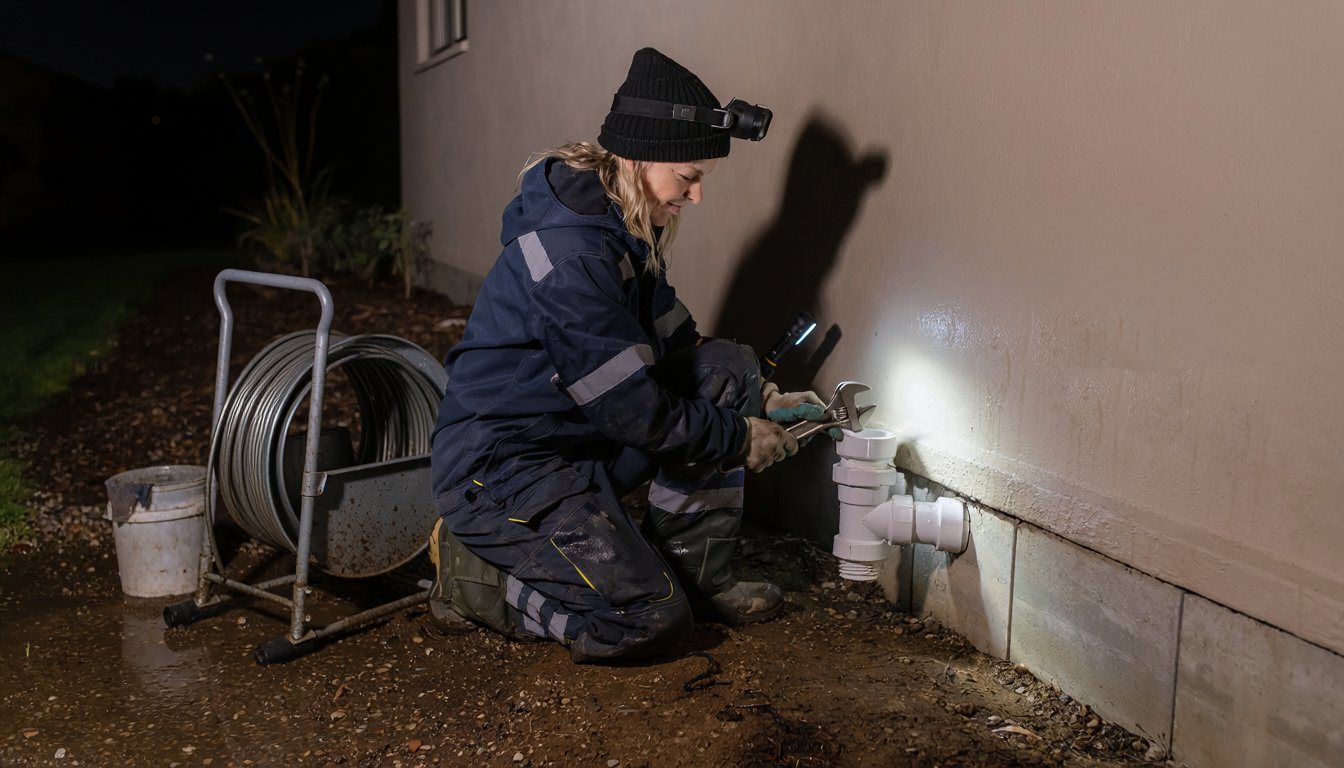
Clearing the line gets the house working again, but it doesn't tell you why it backed up. In our experience, a camera inspection right after the line is cleared is the best time to find out, while the blockage point is fresh. Our sewer camera inspection guide covers what the video shows and what it costs. If the camera finds broken or root-filled pipe, our sewer line replacement cost guide explains the repair options, and a backwater valve can protect a low house from the next public-main backup. Our guide to hiring a sewer backup plumber explains what a good visit should leave you with, and our guide to emergency sewer repair covers what happens when the line itself has broken.
Check any contractor's license before you sign, even in an emergency. Our guide on how to check a California contractor's license walks through it. Medici Construction Group is one licensed option for sewer line repair after a backup, holding California A, B and C-10 licenses under CSLB #1114433. Whoever you call, get the camera video and a written description of what they found.
Frequently asked questions
What should I do first when sewage backs up into my house?
Stop using water, keep people and pets out of the area, and don't touch electrical equipment if you're standing in water. Then photograph the damage and call a plumber or the public sewer agency.
Should I stop using water during a sewer backup?
Yes. In our experience, every flush, shower or laundry load during a backup comes back up through the lowest drain in the house.
Is it safe to clean up a sewer backup myself?
A small backup on hard floors can be cleaned with rubber boots, rubber gloves and goggles, as the CDC advises. Call a restoration company if sewage has reached carpet, drywall or subfloors, or several rooms.
What should I throw away after a sewage backup?
The CDC advises discarding porous items that soaked up contaminated water and can't be cleaned and dried quickly, such as mattresses, carpeting, carpet padding, rugs and upholstered furniture.
How long do I have to file a claim against the City of Los Angeles?
Under California Government Code Section 911.2, claims for injury or damage to personal property must be presented within six months, and claims on other causes of action, which can include damage to the house itself, within one year. File early through the City Clerk's claims process, and check with a lawyer if you are unsure which deadline applies.
Can I open the backwater valve to relieve the backup?
No. The LA County Sanitation Districts say never to use a backwater valve as a cleanout, because sewer snakes can damage it. Use the regular sewer cleanout instead.
Should I turn off the power during a sewer backup?
Ready.gov advises turning off electricity to prevent shock only if it is safe to do so. If reaching the panel means walking through water, don't; call an electrician or your utility.